

Our independent guides cover key areas of health, safety and environmental legislation and duties.

Filter by
Workplace guides
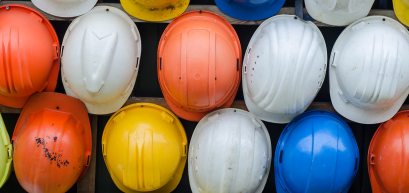
Contractor safety - why is it so important?
The Health and Safety at Work etc. Act 1974 requires that employers only appoint contractors that can prove and demonstrate good health and safety procedures.
Read more
How could toxic mould affect me?
Mould is a form of fungus that thrives in warm, damp and humid environments. In high enough concentrations, exposure can cause health problems, as a result it can be referred to as ‘toxic mould’.
Read more
What is Sick Building Syndrome?
Sick Building Syndrome (SBS) is a phrase which describes a malaise affecting some people working in office buildings. Current best practice is to avoid the use of the term ‘sick building syndrome’ as it is recognised that the range of symptoms can arise from many different factors. Current indoor air quality research, in combination with occupational health focuses on specific symptoms rather than the SBS as an entity.
Read more
What is “Swine flu” or Swine influenza?
Swine flu (H1,N1) is a contagious disease of animals caused by viruses that normally only infects pigs. Swine influenza viruses are specific to pig species but have, on rare occasions, crossed the species barrier to infect humans.
Read more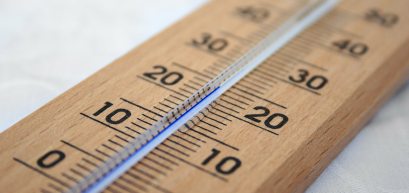
What should the temperature be in the workplace?
During the summer months we all enjoy the warm weather, but some people may not find their workplace comfortable. The purpose of this guide is to provide practical help with understanding the issues and actions that can be taken to alleviate problems.
Read more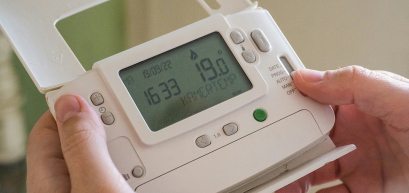
What are the office temperature regulations?
The Workplace (Health, Safety, and Welfare) Regulations state that building temperature should be ‘reasonable’ during working hours.
Read more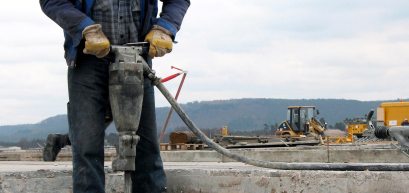
Vibration at Work Regulations 2005 - why is it relevant to FM?
The Control of Vibration at Work Regulations 2005 came into force on 6th July 2005 under the Health and Safety at Work Act 1974. This is the implementation of the European Physical Agents (Vibration) Directive 2002. Two distinct areas are dealt with in the regulations, Hand Arm Vibration (HAV) and Whole Body Vibration (WBV). The regulations introduce action and limit values for hand, arm and whole body vibration.
Read more
How often should I be carrying out temperature tests for my domestic water outlets?
The Health and Safety Executive (HSE) recommend that temperature testing of sentinel domestic outlets (those closest and furthest from the water supply and representative of the system as a whole) should take place on a monthly basis, and all outlets in a building should be tested on an annual basis.
Read more