

Our independent guides cover key areas of health, safety and environmental legislation and duties.

Filter by
Workplace guides

As a landlord, with tenanted floors, are temperature checks of the water services necessary?
This depends on the nature of the water services you have throughout the building, and where the water is supplied from. As a landlord, you have a duty of care to your tenants within the building, and to provide your tenants with wholesome water in accordance with Water Supply (Water Quality) Regulations 1999.
Read more
Where does Legionella come from?
Legionella bacteria are naturally occurring in freshwater environments, and it is likely that small numbers of legionella will enter buildings via the mains supply. Legionella thrive in warm water, particularly between 20˚C-45˚C, and can multiply rapidly where the system conditions allow e.g. where corrosion or scale is present, and water is stagnant or recirculated.
Read more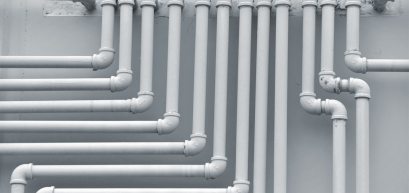
What are pipework deadlegs?
Pipework deadlegs (also known as dead ends or blind ends) are essentially lengths of pipework holding water that is not displaced daily during normal operation. This will lead to stagnation, which can provide an ideal environment for bacterial growth.
Read more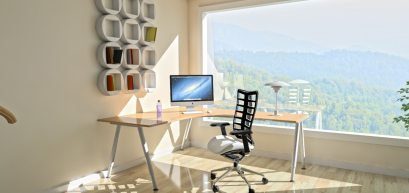
Why are workplace lighting levels important?
The Workplace (Health, Safety and Welfare) Regulations state that every workplace shall have suitable and sufficient lighting and that, so far as is reasonably practical, this lighting shall be by natural light. The Health and Safety (Display Screen Equipment) Regulations state that any room lighting or task lighting provided shall ensure satisfactory light conditions and an appropriate contrast between the screen and background, taking into account the type of work and the vision requirements of the user.
Read more
Lone working - what do I need to know?
A lone worker is a person at work on his or her own without close or direct supervision. It means that they cannot be seen or heard by another person. It may include those who work in a specific area or building. As part of any good safety management system risk assessments should be carried out on employees, to ensure compliance with legislation and to reduce any risks which may arise from lone working.
Read more
What does manual handling mean?
The Manual Handling Operations Regulations 1992, as amended in 2002, apply to a wide range of activities, including lifting, lowering, pushing, pulling and carrying. “Manual handling operations mean any transporting or supporting of a load (including lifting, putting down, pushing, pulling, carrying or moving) by hand or by bodily force.” More than a quarter of reported injuries relate to the handling of goods and materials.
Read more
How can I look after employee mental health in the workplace?
In 2020, in the UK the Labour Force Survey identified:
- An estimated, 828,000 workers affected by work-related stress, depression or anxiety, with 17.9 million working days lost; and that
- Work-related stress, depression or anxiety accounted for 51% of all work-related ill health and 55% of all days lost due to work-related ill-health.

What do I need to know about mould in the workplace?
Mould spores can be found everywhere including in our homes and workplaces. While specific environments may need to be clinically clean (for example, hospital operating theatres, vaccine production facilities and some food production plants), it is both unrealistic and unreasonable to expect a normal workplace to be ‘free from’ mould spores.
Read more