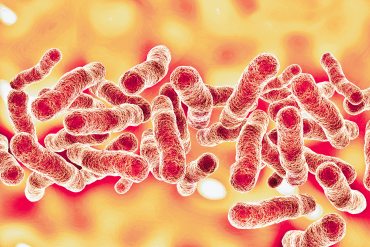

One way we achieve this is to keep the number of Legionella bacteria as low as possible. Like all bacteria, Legionella has criteria it prefers and conditions it will thrive in. To reduce the risk, we have to understand these criteria and ensure our water systems are maintained and are operating in a way that Legionella struggles to proliferate.
Legionella’s preferred environment
Legionella thrive in specific conditions, including:
Water temperatures between 20°C and 45°C
- Presence of nutrients such as sediment, rust, and biofilm
- Stagnant water
- Scale buildup, which provides a safe harbour for bacteria.
Preventing Legionella growth
To prevent Legionella bacteria from thriving in your system it is important to:
- Only store 12-24 hours’ worth of water for the usage of the building. This reduces stagnation and the water from gaining heat from the surrounding environment
- Flush infrequently used outlets to prevent any stagnation affecting the rest of your system
- Ensure your cold water is consistently below 20°C
- Ensure your hot water is stored at 60°C and that your outlets are supplying hot water between 50°C to 60°C as this kills off Legionella bacteria
- Maintain good system condition, ensuring there is no scale build up and storage vessels such as cold-water tanks and calorifiers are regularly inspected.
How can Legionella harm you?
Legionella cause three types of infections in humans, Legionnaires disease, Pontiac fever, and Lochgoilhead fever.
Water containing Legionella bacteria is safe to drink. For Legionella to be harmful, it must be aerosolised and inhaled. The possibilities where there is increased risk from aerosols include.
- Showers
- Spray inserts in taps
- Aerosols released from a cooling tower
- Fire system test points
- Spray hoses
- Sprinkler systems
- Decorative water feature fountains
Reducing your buildings risk
In addition to reducing the likelihood of Legionella multiplying in your system you can protect yourself by:
Removing outlets that generate aerosols, such as spray tap inserts or decorative fountains, where it is possible to do so.
- Ensuring your showers are free from scale and flushed weekly.
- Make sure the water in your cooling tower is properly treated. Having a comprehensive water treatment and monitoring system is essential for evaporative cooling systems.
- Remove any unused outlets and ensuring there are no dead legs present on the system.
- Ensure test points for fire systems go straight to the drain away from any populated areas.
- Ensure a thorough Legionella risk assessment has been conducted for your company and building.
A Legionella risk assessment is the first key step to identifying the risks posed by Legionella bacteria in your building. This document should also highlight the controls required to effectively manage the identified risks, and you should ensure these are implemented.
This guide is of a general nature; specific advice can be obtained from Assurity Consulting.
Assurity Consulting is the UK's leading independent compliance consultancy specialising in workplace health, safety and environmental solutions. We have over 35 years' experience of helping customers of all sizes, from across all sectors, manage their compliance responsibilities, making sure that their organisation is compliant, their employees are safe, their processes are cost effective and their management team is in control.