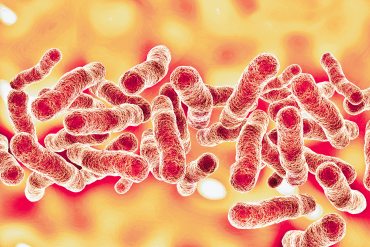

What causes Legionnaires' disease?
It is likely that small numbers of Legionella will enter buildings via the mains supply. Legionella thrive in warm water, particularly between 20-45˚C, and can multiply rapidly where the system conditions allow e.g. where corrosion or scale is present, and water is stagnant or recirculated. Legionnaires’ disease is caused by inhaling droplets of water containing Legionella bacteria.
How did Legionnaires' disease get its name?
Legionnaires’ disease was named after a specific outbreak in Philadelphia.
During the 21st-24th July 1976 the American Legion Department of Pennsylvania hosted the 58th state convention at the Bellevue-Stratford Hotel.
As a result of spending time within the hotel 34 out of 221 affected people died. Investigations found a specific bacteria was linked to the condition and as such the Infection was named “Legionnaires’ disease” after the incident and the bacteria was named Legionella “pneumophila” which comes from the Greek for “lung liking”. There are over 50 species of Legionella that have been identified, in addition to Legionella pneumophila, all of which have been given their own names such as Legionella feeleii, Legionella longbeachae and Legionella micdadei.
How can you contract Legionnaires' disease?
Legionnaires’ disease is contracted through the inhalation of fine water droplet containing Legionella bacteria. One of the most common points of exposure to Legionella bacteria is through shower facilities. While most showers are unlikely to cause any harm, if they are fed from a water system that is poorly managed then the risk of Legionella being present in the water is increased. A large percentage of Legionnaires’ disease cases come from travel abroad. When staying in warmer countries or in private villas, it is recommended to run the showers and taps through for 10 minutes on arrival before using the facilities. Additionally, do the same when returning home of you have been away for a few weeks. This will help remove any stagnant water from your pipework and flush away potentially harmful bacteria.
Is Legionnaires' disease contagious?
Legionnaires disease is not known to be transmitted from person to person except in extremely rare circumstances. Legionnaires disease is contracted through the inhalation of fine water droplet containing legionella bacteria.
Who is most at risk from Legionnaires' disease?
The most recent statistics continue to confirm that the elderly are more likely to contract forms of legionellosis with 36% of cases found in individuals aged 70 years and over. Males are also more susceptible than females with a 2.4 to 1 ratio if infection being consistently reported. However, one of the most common risk factors is those with a pre-existing health condition. 80% of cases of Legionnaires’ disease has at least one underlying risk factor or health condition. The most common of which is smoking and diabetes respectively.
This guide is of a general nature; specific advice can be obtained from Assurity Consulting.
Assurity Consulting is the UK's leading independent compliance consultancy specialising in workplace health, safety and environmental solutions. We have over 35 years' experience of helping customers of all sizes, from across all sectors, manage their compliance responsibilities, making sure that their organisation is compliant, their employees are safe, their processes are cost effective and their management team is in control.